2026 Top UHP Graphite Electrode Manufacturers and Suppliers
The 2026 market for UHP Graphite Electrode suppliers will be shaped by electric arc furnace growth, graphite security, and strict quality control. These electrodes carry extremely high current during steel melting. Their performance affects furnace stability, energy use, tap-to-tap time, and electrode consumption.
According to World Steel Association data, electric arc furnaces produced roughly 30% of global crude steel in recent reporting years. This share supports continuing demand for ultra-high-power electrodes, especially in regions expanding scrap-based steelmaking. The International Energy Agency also identifies graphite as a strategically important material for clean-energy and industrial supply chains. USGS Mineral Commodity Summaries further highlights China’s dominant position in natural and synthetic graphite processing. That concentration matters. Prices, export policies, freight costs, and production disruptions can quickly influence electrode purchasing decisions.
This guide reviews leading UHP Graphite Electrode manufacturers and suppliers expected to attract attention in 2026. The evaluation considers production capacity, nipple quality, raw material control, furnace testing, export experience, delivery reliability, and technical support. Product diameter alone is not enough. A dependable supplier should provide traceable specifications, including bulk density, specific electrical resistivity, flexural strength, and thermal expansion data.
Rankings are not absolute. Public company disclosures often use different reporting methods, while private manufacturers may share limited information. That weakness deserves attention. Buyers should verify current certificates, plant capability, inspection records, and customer references before signing contracts. A polished brochure cannot replace a stable electrode column inside a working furnace. This introduction provides a practical starting point for comparing suppliers, but final selection still requires technical trials and commercial due diligence.
What UHP Graphite Electrodes Are and Why They Matter
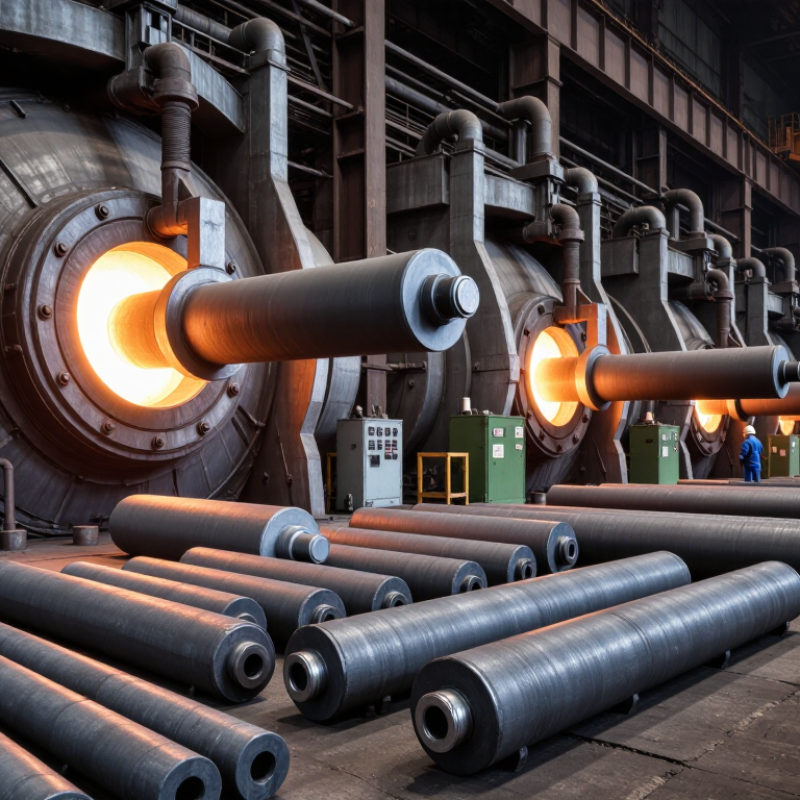
UHP graphite electrodes are engineered conductors for electric arc furnaces. They carry extremely high current into scrap or direct-reduced iron, creating an intense arc that melts metallic feedstock. “UHP” means ultra-high power, not simply premium quality. Low electrical resistance and controlled thermal expansion help these electrodes withstand severe heat, vibration, and rapid temperature changes. The electrode becomes part of the furnace’s energy path. Small defects can cause costly interruptions.
Manufacturers produce them from selected petroleum coke and needle coke, using coal-tar pitch as a binder. The mixture is formed, baked, impregnated, and graphitized near 3,000°C. Precision machining creates nipples and connection surfaces. In plant operations, technicians check diameter, length, bulk density, resistivity, flexural strength, and visible condition. Correct torque matters. A loose joint can overheat. Excessive torque can damage threads. Storage matters too. Electrodes should remain dry, supported, and protected from impact.
UHP electrodes matter because stable conductivity supports shorter melting cycles and more predictable furnace control. Their performance affects power use, electrode consumption, downtime, and steel quality. Yet “best” is never universal. Furnace design, current level, scrap mix, cooling practice, and operator habits change the result. Field experience often reveals issues that certificates miss, especially hidden handling damage or poor alignment. I would not treat one laboratory value as a guarantee. It is evidence, not the whole story.
How UHP Graphite Electrodes Are Manufactured
Ultra-high-power graphite electrodes begin with carefully selected needle coke and coal-tar pitch. Needle coke provides the ordered carbon structure needed for low electrical resistance. It is crushed, screened, and milled into controlled particle sizes. The powder is then blended with pitch in heated mixers. Temperature matters. If the pitch spreads unevenly, weak zones may form later.
The warm mixture passes through an extrusion press, creating long cylindrical electrode blanks. Operators monitor pressure, moisture, diameter, and surface condition during forming. The blanks are baked slowly in furnaces, often for several days. This step removes volatile components and strengthens the carbon body. Heating too quickly can cause cracks, so furnace schedules require close control and practical experience.
Some electrodes receive pressure impregnation with additional pitch before a second baking cycle. This treatment fills internal pores and improves density. Graphitization follows at temperatures near 3,000°C, transforming carbon into a more ordered graphite structure. After cooling, machines cut the electrodes, shape connection ends, and produce precision threads for nipples. Each batch should undergo dimensional checks, electrical resistivity testing, bulk-density measurement, and visual inspection. Results can vary slightly, even under controlled conditions. That variation deserves investigation, not convenient dismissal. Temperature records, sample locations, and machining data help suppliers trace problems before shipment to steelmaking operations.
Key Criteria for Evaluating UHP Electrode Producers
2026 Top UHP Graphite Electrode Manufacturers and Suppliers
Key Criteria for Evaluating UHP Electrode Producers
Evaluating UHP graphite electrode producers requires more than comparing prices. Start with raw material control, especially needle coke quality and consistency. Ask for data on bulk density, electrical resistivity, flexural strength, and thermal expansion. These figures influence arc stability, electrode consumption, and breakage risk in demanding steelmaking operations.
Production experience should be visible on the factory floor. Check graphitization furnace capacity, machining accuracy, nipple fit, and inspection procedures. A reliable supplier should provide traceable batch records and independent test certificates. It should also explain how operators control cracks, eccentricity, and thread damage. Fit matters. A poorly matched nipple can turn a sound electrode into a costly failure.
Field performance deserves equal attention. Request references from furnaces with similar power, diameter, and operating cycles. Review consumption data across several heats, not one impressive trial. A low quotation may look efficient, but hidden losses can appear through longer delays or unstable arcs. I would not trust a perfect datasheet without production evidence. Even experienced buyers can overvalue laboratory results and underestimate transport damage. Inspect packaging design, storage guidance, replacement speed, and technical support before approval. Small details often decide whether UHP electrodes perform consistently under pressure.
2026 List of Leading UHP Graphite Electrode Manufacturers
The 2026 list of leading UHP graphite electrode manufacturers focuses on proven production capability, consistent quality, and dependable supply. These electrodes support ultra-high-power electric arc furnaces, where current density and thermal stress are severe. Experienced buyers examine more than catalog prices. They review resistivity, bulk density, flexural strength, and oxidation behavior.
Reliable manufacturers usually control needle coke selection, forming pressure, graphitization, and precision machining in-house. A strong supplier can provide batch records, inspection reports, and dimensional tolerances for each shipment. Joint testing with steel mills also reveals practical performance under changing furnace conditions. Small details matter, such as nipple fit, thread protection, and packaging that prevents edge damage.
The leading suppliers in 2026 should also demonstrate stable delivery during tight raw-material markets. Their technical teams need to respond quickly when electrode consumption rises or furnace power changes. References from comparable furnaces can be useful, but they are not absolute proof. No ranking is perfect. Actual results may vary with scrap quality, operating habits, and furnace design. Buyers should compare trial data instead of trusting impressive claims. A careful evaluation may include a sample inspection, supplier audit, and review of replacement rates over several heats. Some specifications look excellent on paper, yet field performance can disappoint. That gap deserves honest attention.
How to Compare Suppliers, Quality, Prices, and Delivery Terms
In 2026, comparing UHP graphite electrode suppliers requires more than checking a low quotation. I would request technical data for each size, grade, and nipple connection. Key figures include apparent density, electrical resistivity, flexural strength, and coefficient of thermal expansion. Ask whether results come from recent production batches. A neat certificate can still hide inconsistent testing.
Quality becomes clearer through physical evidence. Request samples, dimensional drawings, inspection records, and batch traceability. Check machining marks around the nipple and packing strength at the electrode ends. During supplier audits, review furnace capacity, graphitization control, and storage conditions. Moisture, impact damage, and poor thread protection can create costly failures. I would also confirm the supplier’s response process for cracked or mismatched electrodes. No claim should rely only on verbal promises.
Price comparison should use total landed cost, not unit price alone. Include packaging, inland transport, ocean freight, insurance, duties, payment terms, and minimum order quantities. Delivery terms need equal attention. Confirm production lead time, shipping schedules, port options, inspection dates, and replacement procedures. A supplier promising ten days may exclude manufacturing or transit. Build a realistic buffer for urgent furnace maintenance. My own comparison sheets are never perfect; exchange rates, port congestion, and changing energy costs can distort them. Still, documented assumptions make negotiations more honest and easier to review.