Blog 
What Is a Fuel Oil Heater and How Does It Work?
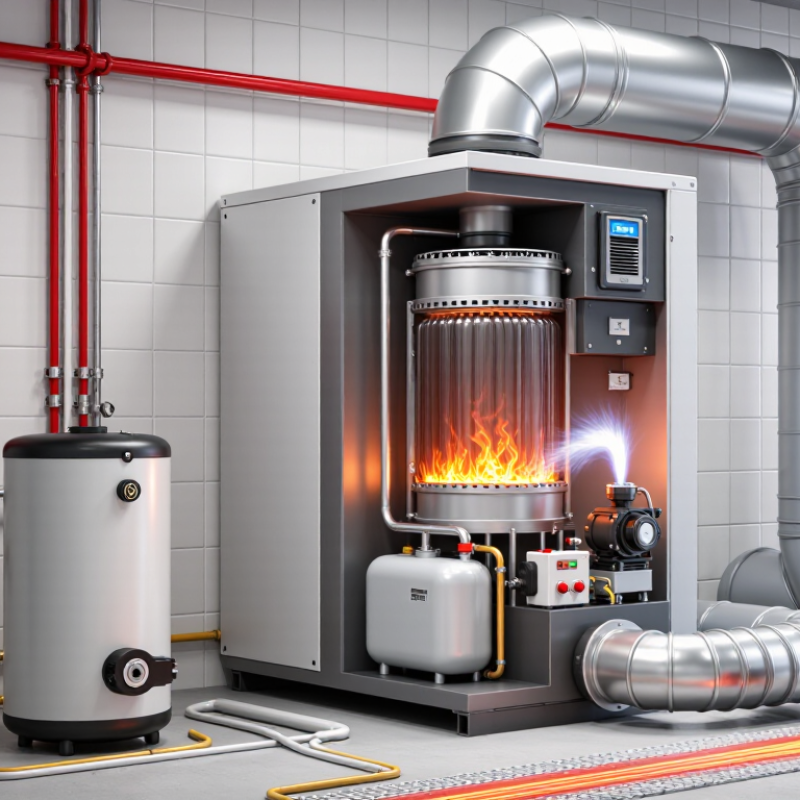
A Fuel Oil Heater converts liquid heating oil into controlled heat for homes, workshops, and commercial spaces. Its basic cycle is straightforward. A pump delivers oil to a burner nozzle. The nozzle atomizes the fuel into a fine spray. An ignition system then creates a flame inside the combustion chamber. Heat passes through a metal heat exchanger, while a blower or water circuit distributes warmth through the building. Exhaust gases leave through a properly designed flue. That description is useful, but incomplete. Air supply, nozzle condition, draft, fuel quality, and heat loss can change actual performance.
Industry data shows why this equipment still deserves careful attention. The U.S. Energy Information Administration’s 2020 Residential Energy Consumption Survey reported heating oil as the primary space-heating fuel for about 4% of U.S. homes. The figure is modest, yet oil heating remains important in parts of the Northeast and other areas without extensive gas infrastructure. ENERGY STAR criteria for certified oil-fired furnaces generally require an annual fuel utilization efficiency of at least 85% AFUE. Efficiency ratings, however, do not guarantee identical results in every building. Poor duct sealing or an oversized unit can waste useful heat.
Safe installation follows recognized guidance, including NFPA 31 for oil-burning equipment. Maintenance also matters. A technician may inspect the burner, clean the heat exchanger, test combustion, and verify carbon monoxide protection. Small details matter. A dirty nozzle can produce a smoky flame. An incorrect air setting can reduce efficiency. This guide explains how a Fuel Oil Heater works, what its main components do, and where real-world performance can fall short. The technology is proven, but it is not maintenance-free.
What Is a Fuel Oil Heater?
A fuel oil heater is a heating appliance that burns liquid fuel to produce useful heat. It is not an electric space heater. A typical system includes a storage tank, fuel pump, burner, heat exchanger, blower, and exhaust flue. The burner sprays a fine oil mist into a combustion chamber. An ignition system lights the mist, while the heat exchanger warms air or water without mixing it with combustion gases.
The U.S. Energy Information Administration’s 2020 Residential Energy Consumption Survey reported that heating oil supplied primary space heating for about 4% of American homes. This share is small nationally, yet fuel oil remains practical in areas without natural gas pipelines. The U.S. Department of Energy explains that AFUE measures how efficiently a furnace converts fuel into household heat. Higher ratings usually mean less heat escapes through the flue.
In daily operation, a thermostat calls for heat. The burner starts, the blower moves warm air, and safety controls monitor flame and airflow. A service technician normally checks the nozzle, filter, pump pressure, and flue draft. Small defects matter. A partially blocked nozzle can create smoke, noise, or weak heating. Fuel quality and tank condition also affect performance. The efficiency label can mislead if installation is poor. Real homes rarely match laboratory conditions. Believe the rating, but inspect the whole system.
What Are the Main Parts of a Fuel Oil Heater?
A fuel oil heater converts liquid fuel into controlled heat. The burner nozzle sprays a fine mist into the combustion chamber. An ignition system lights it. The fuel pump maintains pressure, while the filter removes sediment and water.
The combustion chamber contains the flame. A heat exchanger then transfers warmth to air or water without mixing combustion gases into the living space. The blower or circulator moves that heat through ducts, radiators, or baseboards. The burner starts.
A thermostat requests heat, and the control board coordinates ignition, airflow, and shutdown. Safety controls monitor flame failure, abnormal pressure, and overheating.
The flue carries exhaust outdoors, which makes correct installation essential under NFPA 31 guidelines. The U.S. Department of Energy explains that AFUE measures yearly heating efficiency, including cycling and standby losses.
Older oil systems often operate near 80% AFUE, while modern equipment can perform better when properly adjusted (U.S. DOE, Furnaces and Boilers). The U.S. Energy Information Administration’s 2020 Residential Energy Consumption Survey reported that roughly 4.1 million American homes used fuel oil as their primary heating source. That scale makes maintenance important.
A clean-looking filter may still restrict flow. In practice, technicians should inspect the nozzle, electrodes, pump pressure, heat exchanger, and flue draft together.
Small parts matter.
A neglected sensor can stop an otherwise sound heater. Performance also depends on fuel quality, chimney condition, and annual combustion testing.
How Does a Fuel Oil Heater Work Step by Step?
What Is a Fuel Oil Heater and How Does It Work?
A fuel oil heater burns liquid fuel to create usable heat. The process begins when the thermostat detects a cold room and sends a signal to the burner control. A fuel pump draws oil from the storage tank. The pump then pushes it through a small nozzle, turning the liquid into a fine spray. An ignition system lights this spray inside the combustion chamber. A flame sensor checks whether ignition occurred safely. If the flame fails, the control normally shuts the burner down.
The flame heats a metal heat exchanger. A blower moves room air across the heated surface and sends warm air through ducts. In an oil-fired boiler, heated water travels through pipes instead. Combustion gases leave through the flue, while indoor air stays separate. The U.S. Energy Information Administration’s 2020 Residential Energy Consumption Survey reported that space heating used about 42% of household energy. That figure shows why burner condition matters. A partially blocked nozzle can waste fuel and produce uneven heat.
Efficiency is often described through Annual Fuel Utilization Efficiency, or AFUE. The U.S. Department of Energy explains that AFUE compares yearly heat output with fuel input. It does not perfectly represent every home’s performance. Real systems are less tidy. Cold ducts, dirty filters, and poor adjustments reduce delivered heat. A qualified technician should inspect the nozzle, electrodes, pump pressure, heat exchanger, and flue. Carbon monoxide protection also deserves attention. Small maintenance details can change the entire heating experience.
| Step | Operating Stage | What Happens | Main Components Involved | Typical Technical Data or Condition | Purpose and Safety Consideration |
|---|---|---|---|---|---|
| Step-by-Step Fuel Oil Heating Process | |||||
| 1 | Heat Demand | A thermostat or control system detects that the indoor temperature is below the selected set point and sends a call for heat. | Thermostat, control board, low-voltage wiring | Common residential thermostat settings are approximately 18–24 °C (64–75 °F). | Accurate temperature sensing helps prevent unnecessary burner cycles and fuel consumption. |
| 2 | Safety Verification | The primary control checks operating conditions before ignition, including the burner motor, ignition circuit, and flame-monitoring system. | Primary control, safety limit, flame sensor, motor relay | The burner should not continue firing if a safe flame signal is not detected within the control's programmed trial period. | Safety controls are designed to shut down the burner when ignition or flame detection is unsuccessful. |
| 3 | Fuel Delivery | A fuel pump draws heating oil from the storage tank and sends it through a filter toward the burner nozzle. | Storage tank, fuel line, shutoff valve, fuel filter, fuel pump | Heating-oil burner pump pressure is commonly set in the approximate range of 100–200 psi, depending on burner design and adjustment. | A clean filter and leak-free fuel line are essential for stable fuel flow and reliable combustion. |
| 4 | Fuel Atomization | The burner nozzle converts pressurized liquid oil into a fine spray inside the combustion chamber. | Nozzle, pump, nozzle adapter, combustion head | Nozzle capacity is commonly specified in US gallons per hour; residential sizes often fall below 2.00 US gal/h. | Correct nozzle size and spray pattern are required to match the appliance's rated firing input. |
| 5 | Air Supply | A powered burner fan supplies combustion air and mixes it with the atomized oil spray. | Burner motor, blower wheel, air shutter, combustion head | Airflow must be sufficient for complete combustion without creating excessive draft or unstable flame conditions. | Blocked air inlets, incorrect air settings, or inadequate room ventilation can cause unsafe combustion. |
| 6 | Ignition | An ignition transformer or electronic igniter produces a high-voltage spark that ignites the oil-and-air mixture. | Ignition transformer or igniter, electrodes, burner nozzle | Ignition systems commonly generate several thousand volts to create the spark required for burner startup. | Ignition components should be serviced only after electrical power has been disconnected. |
| 7 | Combustion | The oil burns in the combustion chamber, releasing chemical energy as heat and producing hot combustion gases. | Combustion chamber, burner head, flame-retention head | Heating oil has an energy content of roughly 137,000–140,000 BTU per US gallon, equivalent to about 40 MJ/L. | Proper combustion should produce a stable flame with controlled emissions and minimal soot formation. |
| 8 | Heat Transfer | Hot gases pass through heat-transfer surfaces, warming the air, water, or other heat-transfer medium used by the heating system. | Heat exchanger, flue passages, blower or hydronic heat-transfer circuit | Residential fuel-oil heating appliances commonly have rated seasonal efficiencies from approximately 80% to above 90%, depending on design and operating conditions. | A clean heat exchanger improves heat transfer and reduces the risk of elevated flue-gas temperatures. |
| 9 | Heat Distribution | In a warm-air system, a blower moves heated air through ducts. In a hydronic system, heated water circulates through radiators, baseboards, or radiant tubing. | Blower, ductwork, circulator pump, radiators, baseboards, radiant tubing | Distribution temperatures vary by system; hydronic systems often operate with water temperatures roughly between 60–85 °C (140–185 °F). | Balanced airflow or water circulation helps maintain even room temperatures and reduces system cycling. |
| 10 | Flue-Gas Exhaust | Remaining combustion gases leave the heat exchanger through a flue pipe and chimney or approved venting system. | Flue pipe, draft regulator, chimney or vent, chimney connector | Venting must maintain adequate draft and safely discharge combustion products, including carbon monoxide. | Never operate a fuel-oil heater with damaged, blocked, or improperly installed venting. |
| 11 | Flame Monitoring | A cadmium-sulfide flame sensor or other approved detector confirms that the burner flame remains established. | Flame sensor, primary control, safety lockout | If the control does not detect a valid flame signal, it normally stops the fuel pump and ignition sequence. | Flame monitoring prevents continued fuel delivery when combustion is not occurring correctly. |
| 12 | Thermostat Satisfied | When the desired temperature is reached, the control ends the burner call. The blower or circulator may continue briefly to remove residual heat. | Thermostat, primary control, blower or circulator, post-purge control | Post-purge timing varies by equipment and control settings; it is normally limited to a short period after burner shutdown. | Allowing residual heat to leave the heat exchanger can improve efficiency and protect system components. |
| Key Fuel-Oil Heater Data Dimensions | |||||
| A | Fuel Type | Liquid heating oil, commonly a middle-distillate petroleum fuel used for space heating. | Fuel tank, fuel pump, burner nozzle | Fuel specifications depend on local regulations and supplier requirements; the appliance manual should define acceptable fuel. | Using contaminated, unsuitable, or water-containing fuel can damage the pump and nozzle and produce poor combustion. |
| B | Input Capacity | The input rating describes the amount of fuel energy supplied to the burner per unit of time. | Burner nozzle, pump, combustion chamber | Residential systems commonly range from approximately 50,000 to 150,000 BTU/h input, although larger equipment is available. | Input capacity must be matched to the building's heating load and the heat exchanger's approved rating. |
| C | Useful Heat Output | Useful output is the heat delivered to the building after combustion and heat-transfer losses. | Heat exchanger, blower, circulator, distribution system | Approximate useful output can be estimated as: fuel input × seasonal efficiency. | An oversized heater may cycle frequently, reducing comfort and efficiency. |
| D | Energy Efficiency | Efficiency indicates how much of the fuel's energy becomes useful heat rather than leaving through the vent or other losses. | Heat exchanger, burner, venting system, controls | Annual fuel utilization efficiency is commonly expressed as a percentage; higher values indicate lower fuel use for the same heat demand. | Actual performance depends on installation, maintenance, cycling, building heat loss, and operating conditions. |
| E | Required Maintenance | Routine service generally includes nozzle inspection or replacement, filter cleaning or replacement, combustion testing, heat-exchanger cleaning, and vent inspection. | Nozzle, filter, pump, burner head, heat exchanger, flue system | Annual professional service is commonly recommended, with additional inspection where operating conditions are severe. | Combustion should be tested with appropriate instruments rather than judged only by flame appearance. |
| F | Safety Equipment | A fuel-oil heating installation should include working combustion controls, safe venting, fuel shutoff provisions, and carbon-monoxide alarms where required. | Primary control, limit control, flame sensor, shutoff valve, carbon-monoxide alarm | Alarm placement and testing should follow local code and the alarm manufacturer's instructions. | Carbon monoxide is colorless and odorless; a qualified technician should investigate any alarm or unusual operating condition immediately. |

What Types of Fuel Oil Heaters Are Available?
Fuel oil heaters burn liquid fuel in a combustion chamber and transfer the released heat indoors. The main difference between available types is how they distribute that heat. A warm-air furnace uses a blower to push heated air through ducts. It responds quickly and suits homes with existing ductwork. However, dusty filters or poorly sealed ducts can reduce comfort and efficiency.
A hydronic boiler heats water instead. Pumps move the hot water through radiators, baseboards, or radiant floor pipes. This system feels steady and quiet, although it usually warms rooms more slowly than forced air. It also requires careful control of water pressure, expansion, and temperature. In my experience, sizing matters more than appearance. An oversized boiler may cycle repeatedly, wasting fuel and creating uneven indoor temperatures.
Portable fuel oil heaters offer another category. Direct-fired models release combustion heat and exhaust into the surrounding area, so they generally belong in well-ventilated work zones, not occupied rooms. Indirect-fired models send exhaust outdoors through a flue while a fan delivers cleaner heated air. They are more suitable for enclosed spaces, provided installation follows the manufacturer’s instructions. Portable does not mean simple. Fuel storage, ventilation, carbon monoxide protection, and regular burner inspection still deserve professional attention. The categories can overlap, and that can confuse buyers. A lower purchase price may hide higher operating demands.
What Is a Fuel Oil Heater and How Does It Work?
What Types of Fuel Oil Heaters Are Available?
Fuel oil heaters burn heating oil in a combustion chamber. The heat is transferred to air or water and then distributed through ducts, radiators, baseboards, or a direct air outlet. The chart shows representative useful-heat efficiency values for common fuel oil heater types; actual performance varies with equipment design, installation, maintenance, and operating conditions.
How Can Fuel Oil Heaters Be Used and Maintained?
A fuel oil heater burns liquid fuel to produce heat for a room, building, or water system. It commonly serves homes, workshops, farms, and properties without a gas connection. A pump moves fuel from the tank to a burner. The burner mixes fuel with air and ignites it inside a combustion chamber. Heat then passes through a heat exchanger, while a flue carries exhaust gases outdoors. The thermostat controls when the system starts and stops.
Proper use begins with the correct fuel and a clean, stable tank. Keep paper, paint, wood, and other flammable materials away from the heater. The room needs adequate ventilation, but openings should never be blocked. Watch for unusual smoke, strong odors, delayed ignition, or repeated shutdowns. These signs need attention. Do not keep resetting the system without finding the cause.
Maintenance usually includes checking the tank, fuel lines, burner, filters, electrodes, chimney, and safety controls. A qualified technician should inspect combustion and carbon monoxide levels before the heating season. Users can still wipe dust from accessible surfaces and check for small leaks. Never open sealed combustion parts without training. In practice, maintenance is easy to postpone, especially during a mild winter. That habit can allow soot to reduce efficiency and raise repair costs. Record service dates and fuel use. The records may reveal a failing component earlier than expected.