What Is Flexible PVC and What Is It Used For?
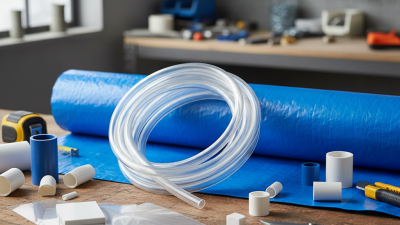
Flexible PVC is a soft, adaptable form of polyvinyl chloride used wherever ordinary rigid PVC would be too stiff. Its flexibility comes mainly from plasticizers, which help the material bend, fold, and absorb repeated movement. A cable jacket can curve around a tight corner. A transparent tube can compress briefly and recover its shape. These details explain why flexible pvc appears in electrical wires, medical tubing, flooring, synthetic leather, seals, toys, and protective covers.
PVC specialist W. V. Titow emphasized, “PVC performance is determined by formulation and processing, not by the resin alone.” This principle remains important. A flexible PVC compound may contain plasticizers, stabilizers, pigments, and other additives. Each ingredient changes its softness, strength, weather resistance, and service life. A product designed for indoor flooring may not suit outdoor exposure. A soft tube may fail when exposed to heat, oils, or prolonged pressure.
That difference is easy to overlook.
This article examines what flexible PVC is, how manufacturers produce it, and where it performs best. It also considers practical limitations, including plasticizer migration, odor, aging, and recycling challenges. These issues do not make the material unsuitable. They require better specification and testing. In real applications, successful selection depends on temperature, contact conditions, movement, and expected lifetime. The material can be economical and durable, but it is not automatically the best choice. Careful formulation matters. So does honest evaluation.
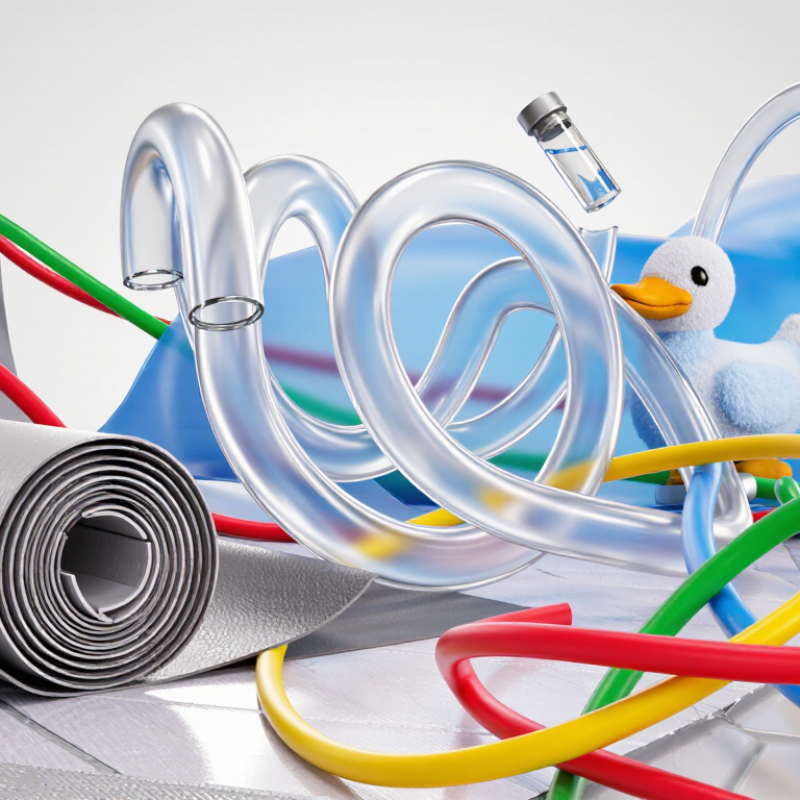
Definition and Key Characteristics of Flexible PVC
Flexible PVC is polyvinyl chloride modified with plasticizers, which give the normally rigid material a soft, bendable structure. Its flexibility can range from slightly pliable to rubber-like. The final texture depends on the formulation, thickness, and processing method.
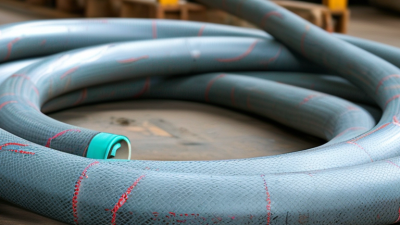
It resists water, abrasion, oils, and many everyday chemicals. It also provides useful electrical insulation. These qualities support its use in cable coatings, tubing, flooring, inflatable products, seals, and protective covers. In practical manufacturing, flexible PVC is valued because it can be extruded, molded, welded, or cut with consistent results.
Its performance has limits. High heat may cause softening, while low temperatures can make some grades stiff or brittle. Plasticizer loss may occur over time, especially under heat, pressure, or chemical exposure. That detail is easy to overlook. Flexible PVC is not a perfect material.
Engineers usually check hardness, tensile strength, elongation, temperature range, and chemical compatibility before selecting a grade. They should also consider indoor air quality and the intended disposal route. A material that works well for a flexible tube may perform poorly as an outdoor seal. Testing in the real environment remains important, because laboratory results cannot predict every aging condition.
How Flexible PVC Is Made and Modified
Flexible PVC begins with polyvinyl chloride resin, but resin alone remains relatively rigid. Manufacturers blend it with plasticizers, heat stabilizers, lubricants, pigments, and sometimes mineral fillers. The mixture is heated and worked until each ingredient disperses evenly.
The plasticizer level largely controls softness. A low level produces firm tubing or cable jackets, while a higher level creates flexible film, seals, or flooring. Heat stabilizers protect the material during processing, because excessive heat can darken PVC and reduce performance. Lubricants help the compound move through equipment without sticking.
Mixing quality matters.
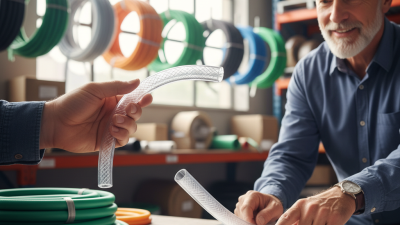
After compounding, the softened PVC can be shaped by extrusion, calendering, or molding. Extrusion forms continuous profiles, such as flexible tubes. Calendering presses the compound between heated rollers to create thin, even sheets. Cooling then fixes the final shape.
Modification does not end with softness. Formulators may adjust plasticizer selection for low-temperature flexibility, low migration, or longer service life. They can also add pigments, fillers, flame-resistant components, or impact modifiers for specific conditions. Each change creates a trade-off. More filler may reduce cost, yet it can lower flexibility and surface quality.
In production practice, small weighing errors can change hardness noticeably. A formula that performs well in the laboratory may behave differently on a larger line. That gap deserves attention. Testing should cover tensile strength, elongation, hardness, aging, and plasticizer migration. Flexible PVC is practical, but it is not automatically suitable for every environment.
Benefits, Limitations, and Safe Handling Considerations
Flexible PVC is a soft, adaptable form of polyvinyl chloride. Plasticizers give it a rubber-like feel and improve bending performance. It appears in cable insulation, flexible tubing, flooring, shower curtains, and protective covers. In practical use, its low cost and easy processing make it useful for many indoor products.
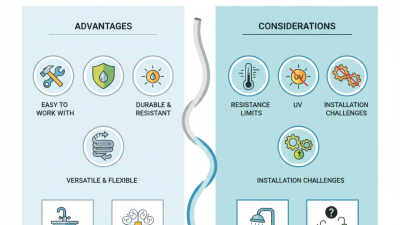
Its benefits include moisture resistance, abrasion resistance, and reliable electrical insulation. It can also be produced in many colors and thicknesses.
However, flexibility may decline when the material faces cold temperatures, sunlight, or repeated stress. Some plasticizers can migrate over time, especially with heat or contact with oils.
That detail matters. A product may look intact while becoming brittle underneath.
Safe handling starts with the product’s technical documentation. Keep flexible PVC away from excessive heat, sharp edges, and incompatible chemicals. Good ventilation is sensible during cutting, heating, or processing. Never burn it, because irritating and hazardous fumes may form. Wear suitable gloves and eye protection when cutting or installing it.
Tips: Check for cracking, sticky surfaces, or unusual odors before use. Confirm chemical compatibility. Replace damaged sections rather than forcing them into service. Selection is not always perfect; temperature, pressure, and contact conditions can be underestimated. Careful testing in the real application remains the most reliable choice.