








Blog icon

10 Tips for Choosing Takeaway Food Containers?

Choosing the right Takeaway Food Containers is no longer a simple purchasing task. Containers protect food, shape customer experience, and influence operational costs. A leaking curry box can ruin a delivery before the first bite. A weak lid can also create complaints, refunds, and avoidable waste.

Industry data shows why this decision deserves closer attention. Mordor Intelligence estimates the global foodservice packaging market will continue expanding through 2029, driven by delivery, convenience, and changing dining habits. Grand View Research also reports strong growth across food packaging, including paper, plastic, and molded-fiber formats. These reports reveal market momentum, but they do not solve every practical problem. A container that performs well in a factory test may fail with steaming noodles, oily sauces, or a motorcycle delivery. Real kitchens are less predictable.

Sustainability adds another layer of responsibility. The United Nations Environment Programme reported that households, food service, and retail generated about 931 million tonnes of food waste in 2019. Packaging cannot solve food waste alone, yet poor packaging can make it worse. Material claims also need careful checking. “Compostable” does not always mean home-compostable, and recycling access differs between regions. This guide examines ten practical considerations, including leak resistance, heat tolerance, ventilation, material safety, stacking, branding, cost, and disposal instructions. Some choices will still involve compromise. That is the honest part. The best Takeaway Food Containers balance protection, customer expectations, regulatory compliance, and measurable environmental performance.
10 Tips for Choosing Takeaway Food Containers?

Understanding Takeaway Food Container Materials and Their Properties

10 Tips for Choosing Takeaway Food Containers

Understanding the material is more useful than trusting a green label. Paperboard containers feel light and print well, but steam can soften their fibers. A water-based coating may improve resistance, yet it can still fail with oily curry. Test a filled container for thirty minutes. That small check often reveals problems.

Bagasse containers handle hot, wet foods fairly well and provide a firm surface. However, their edges may weaken under heavy sauces.

Polypropylene is durable, leak-resistant, and suitable for reheating when clearly approved for that use. It is less rigid than some alternatives, so lids may shift during delivery.

PET offers good clarity for cold meals, but it is not a general solution for high heat. PLA looks plant-based, though it usually requires controlled industrial composting and performs poorly with very hot food.

Match the container to the meal, temperature, travel time, and stacking pressure. A noodle dish needs different protection from a dry sandwich. Check food-contact documentation, temperature limits, lid fit, and migration testing from the supplier. Local requirements still matter.

I once judged a container by its strong base and ignored the lid seal. The sauce leaked before arrival. That mistake changed my testing routine.

I now tilt filled samples, press the corners, and inspect condensation after delivery. No material is perfect. Selection becomes more reliable when practical handling tests support the technical information.

Matching Container Types to Different Foods and Serving Conditions

10 Tips for Choosing Takeaway Food Containers

Matching container types to food and serving conditions prevents soggy meals, spills, and disappointing textures.

In my catering tests, fried foods stayed crisp longer in vented containers. Steam needs an exit. Small vents reduce condensation without leaving food exposed.

For soups, curries, and sauces, choose rigid, leak-resistant containers with secure lids. Always fill one with hot liquid and shake it gently before service. A beautiful lid means little if the seal fails.

Use divided containers for rice with grilled meat, salads with toppings, or meals with separate sauces. Keep sauces separate. This protects crisp coatings and prevents delicate vegetables from wilting.

Tall containers suit noodles and stews, while shallow ones cool food faster and help prevent overcooking. For cold dishes, use containers that resist moisture and maintain their shape during refrigeration. Clear lids also help staff check portions quickly.

Serving conditions matter as much as the recipe. Long delivery times require stronger closures and extra space for movement. Very hot food needs heat-tolerant materials that will not soften during normal handling.

I once chose a low container for a generous pasta portion, and the lid pressed against the food. It looked untidy and cooled unevenly.

Test before service. Check stacking, opening, reheating instructions, and disposal requirements. No container fits every meal.

Checking Safety, Leak Resistance, Insulation, and Ventilation Features

10 Tips for Choosing Takeaway Food Containers?

A safe container should be made for food contact and match the meal’s temperature. Ask for supplier documentation, temperature limits, and clear care instructions. Avoid containers with a strong chemical smell, warped surfaces, or unexplained discoloration. I also check whether the material softens when filled with hot soup. That simple test has exposed poor choices before.

Leak resistance needs more than a tight-looking lid. Fill the container with water, close it, and turn it upside down over a clean towel. Check the rim, corners, and lid seal. Greasy sauces reveal weak joins quickly. For delivery, choose a lid with a firm fit and enough space for food movement. Still, no container is perfectly leak-proof when it is crushed inside a crowded bag.

Insulation matters when food must stay hot or cold during transport. Thick walls help, but they can increase condensation. Ventilation controls steam, especially with fried rice, noodles, and roasted food. Small vents can protect texture, while oversized openings may release heat too quickly. I once chose maximum insulation and ignored airflow; the meal arrived warm but disappointingly soggy. A practical trial with a real delivery route is more reliable than attractive specifications. Record the food temperature, lid condition, and texture after thirty minutes. Those details often change the final choice.

Evaluating Size, Shape, Portion Needs, and Customer Convenience

Choosing Takeaway Food Containers: Size, Shape, Portion Needs, and Customer Convenience

Container selection should begin with the meal, not the catalogue. The 2024 State of the Restaurant Industry Report valued the US restaurant sector at about $1 trillion in sales. That scale makes small packaging decisions significant. Measure common portions during service. A container that is too large makes food look sparse and increases movement. One that is too small creates crushed toppings and leaking sauces. I have seen both problems during busy evening orders.

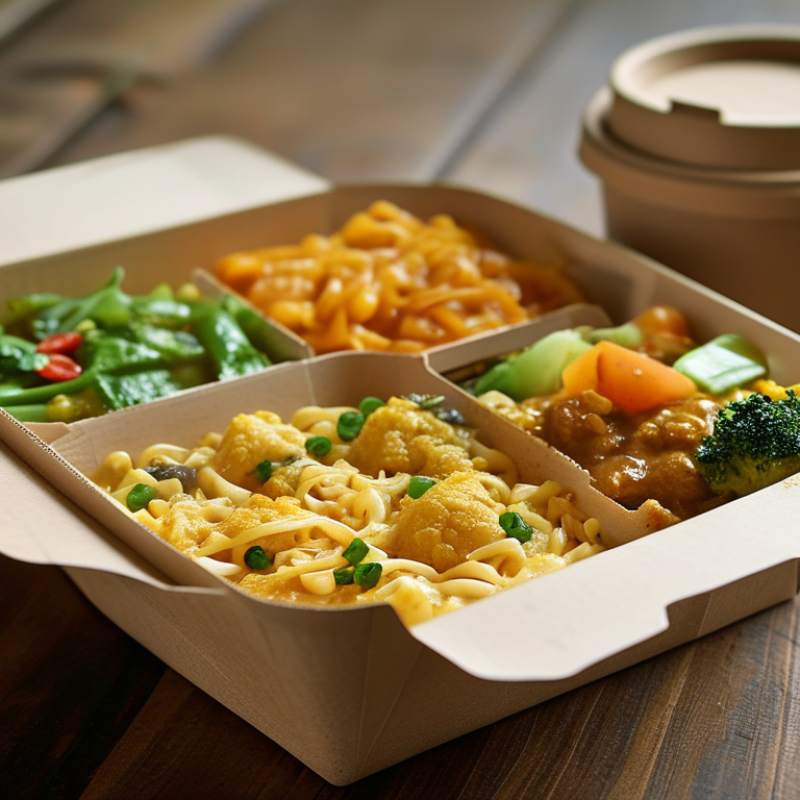
Match shape to food behaviour. A wide, shallow box suits fried items because steam can escape more easily. A deeper container protects noodles, rice, and layered meals. Separate compartments help keep sauces, salads, and hot foods apart. However, compartments can reduce usable volume. This needs testing. Use the actual portion, including garnish and sauce cups. Do not estimate from photographs.

Customer convenience also depends on grip, opening, stacking, and storage. The National Restaurant Association’s 2024 report identifies off-premises dining as a central customer habit, so containers must travel well. Check whether lids stay secure after a 20-minute delivery simulation. Test one-handed opening, especially for customers carrying bags or drinks. The container should stack steadily in a delivery bag. According to the Foodservice Packaging Institute, packaging performance includes food protection, transport, and usability—not appearance alone. Ask suppliers for food-contact documentation and temperature limits. I still think many operators choose attractive shapes too quickly. Convenience is easier to notice than failure.

10 Tips for Choosing Takeaway Food Containers: Capacity Guide

This chart compares common nominal takeaway container capacities. The millilitre values are converted from standard US fluid-ounce sizes using 1 US fl oz = 29.5735 ml. Smaller containers suit side dishes and snacks, while larger capacities are more appropriate for full meals or generous portions.

Comparing Sustainability, Cost, Storage, and Supplier Reliability

10 Tips for Choosing Takeaway Food Containers

Choosing takeaway containers requires more than a green label. In my kitchen trials, I compare material, lid fit, and performance after 20 minutes of transport. Recycled content can reduce virgin plastic use, but local recycling access matters more than attractive wording. Compostable options also need suitable collection systems. A container that survives one meal may create less waste than a flimsy option needing replacements. I have sometimes overestimated environmental benefits without checking disposal guidance. That mistake deserves attention.

Cost should include the full operating cycle. Compare unit price, lids, delivery, storage space, leakage losses, and staff time. Request samples, then test hot soup, oily noodles, chilled salads, and microwave reheating where appropriate. Check dimensions carefully. Matching containers can reduce unused shelf space. Stackable shapes help, but unstable stacks slow service. Clear labels prevent wrong packing. Keep a small allowance for damaged pieces. The cheapest carton is not always economical.

Supplier reliability protects daily service. Ask about minimum order quantities, production capacity, batch consistency, and realistic lead times. Review food-contact documentation and written specifications before buying. Place a trial order, inspect ten random units, and record defects. A dependable supplier communicates delays early and offers a practical backup plan. I prefer measured evidence over confident promises. Still, no test predicts every seasonal disruption, so holding modest safety stock may be wise. Reassess after customer feedback and actual storage conditions.

10 Tips for Choosing Takeaway Food Containers? – Comparing Sustainability, Cost, Storage, and Supplier Reliability

A practical comparison of common takeaway container options for hot, cold, wet, and delivery-focused food service.

No. Selection Focus Practical Guidance Sustainability Considerations Typical Cost Position Storage Profile Supplier Reliability Check
1 Match the container to the food Use leak-resistant, vented formats for saucy or hot meals; use rigid packs for foods that must retain shape. Correct sizing reduces wasted material and food spoilage during transport. Balanced
Over-specification increases unit cost.
Efficient
Standardized sizes simplify stacking.
Ask for samples using the actual menu, including sauces, steam, and delivery time.
2 Check heat and cold resistance Confirm the safe temperature range for hot holding, refrigeration, freezing, and reheating before purchase. Durable containers can reduce product failures, but unnecessary heat resistance may add material. Medium
Heat-resistant formats usually cost more than basic packs.
Good
Choose formats that remain stable when chilled or stacked warm.
Request technical specifications and migration or food-contact documentation where applicable.
3 Evaluate material sustainability Compare paperboard, molded fiber, reusable plastic, and recyclable plastic according to local waste infrastructure. Context-dependent
Recyclability depends on material design and local collection facilities.
Medium to high
Lower-impact materials may carry a premium.
Varies
Fiber packs may need dry storage; plastic formats resist moisture.
Verify material composition, certifications, coatings, and disposal instructions.
4 Prioritize leak and grease resistance Select suitable barriers for oily, acidic, or liquid foods, and test the container after transport. Avoid excessive coatings that make fiber packaging difficult to recycle unless a verified recovery route exists. Good
Preventing spills can reduce refunds, replacements, and food waste.
Good
Dry, stackable packs protect warehouse space.
Use a documented leak test and confirm consistent sealing across production batches.
5 Compare unit cost with total cost Assess container, lid, freight, storage, labor, breakage, leakage, and disposal costs together. A slightly higher-priced container may reduce food waste and replacement consumption. Best practice
Calculate cost per completed meal, not only cost per piece.
Important
Large minimum orders can create excess inventory.
Compare quotations using the same dimensions, pack count, specifications, and delivery terms.
6 Optimize lid compatibility Use lids that fit securely, provide visible closure, and match the base without forcing or distortion. One lid design shared across several compatible bases can reduce SKU complexity and waste. Low to medium
Compatible lids can lower purchasing complexity.
Efficient
Nested bases and flat-stacked lids save space.
Confirm lid availability separately and test closure after filling and stacking.
7 Measure transport and stacking performance Choose containers that stack securely without crushing food or sliding during courier handling. Better stacking can improve vehicle and warehouse space utilization. Balanced
Efficient packing can offset a modest unit-price difference.
High priority
Nested or flat-packed formats generally use less shelf space.
Conduct drop, compression, and vibration tests with filled containers.
8 Consider reusable systems carefully Use reusable containers only where return, washing, inspection, and replacement processes are practical. Potentially high
Benefits depend on repeated use and efficient washing logistics.
Higher upfront
Include collection, cleaning, losses, and reverse logistics.
Space-intensive
Returned and clean containers require separate storage areas.
Agree on return rates, cleaning standards, replacement policy, and supply continuity.
9 Verify food-contact compliance Ensure the container is suitable for the intended food type, temperature, and contact duration. Compliance supports safer, longer-term use and reduces the risk of discarded non-conforming stock. Worthwhile
Documentation reduces regulatory and recall risks.
Good
Follow the supplier’s requirements for humidity, temperature, and cleanliness.
Request current declarations, test reports, traceability details, and batch information.
10 Assess supplier continuity Prefer suppliers with stable lead times, clear minimum-order quantities, quality controls, and backup capacity. Reliable forecasting helps prevent urgent shipments, excess stock, and emergency substitutions. Long-term value
Consistent supply protects labor planning and menu operations.
Manageable
Set reorder points based on usage and lead-time variability.
Critical
Check lead-time history, quality consistency, contingency plans, and communication response.

Comparison note: Cost positions are relative purchasing indicators rather than fixed quotations. Actual performance depends on container size, order volume, material specification, local regulations, delivery distance, and available recycling or washing infrastructure.