










Blog icon

China Best Crimping Butt Connectors for Global Buyers?

Choosing the best Crimping Butt Connectors from China requires more than comparing catalog prices. Global buyers need dependable electrical performance, consistent production, and clear technical evidence. In practical sourcing, small details often decide whether a connector performs well in the field. Barrel size, copper purity, insulation quality, and crimp compatibility all matter.

A reliable Chinese supplier should provide accurate specifications, production samples, and traceable batch information. Buyers should check wire-range markings, terminal material, plating thickness, and insulation temperature ratings. For example, a connector used in an automotive harness may face vibration, moisture, and repeated temperature changes. A household wiring project may require different insulation and approval expectations. The “best” option depends on the application.

Testing should not stop at visual inspection. Crimp-height checks, tensile pull tests, conductivity testing, and aging evaluations offer stronger evidence. Certificates may support a supplier’s claims, but buyers should verify their scope, validity, and issuing organization. UL, RoHS, REACH, CE-related documentation, or other requirements may apply differently across markets. Requirements change.

Experienced exporters should explain tooling limits, minimum order quantities, packaging protection, and replacement procedures. They should also respond clearly when samples reveal weaknesses. No supplier is perfect. That matters. A slightly uneven crimp or unclear drawing deserves investigation before mass production. This guide examines Chinese manufacturers, material choices, inspection practices, certifications, pricing factors, and shipping considerations. Its goal is practical: helping international buyers select connectors that remain secure after installation, not merely products that look attractive in a quotation.
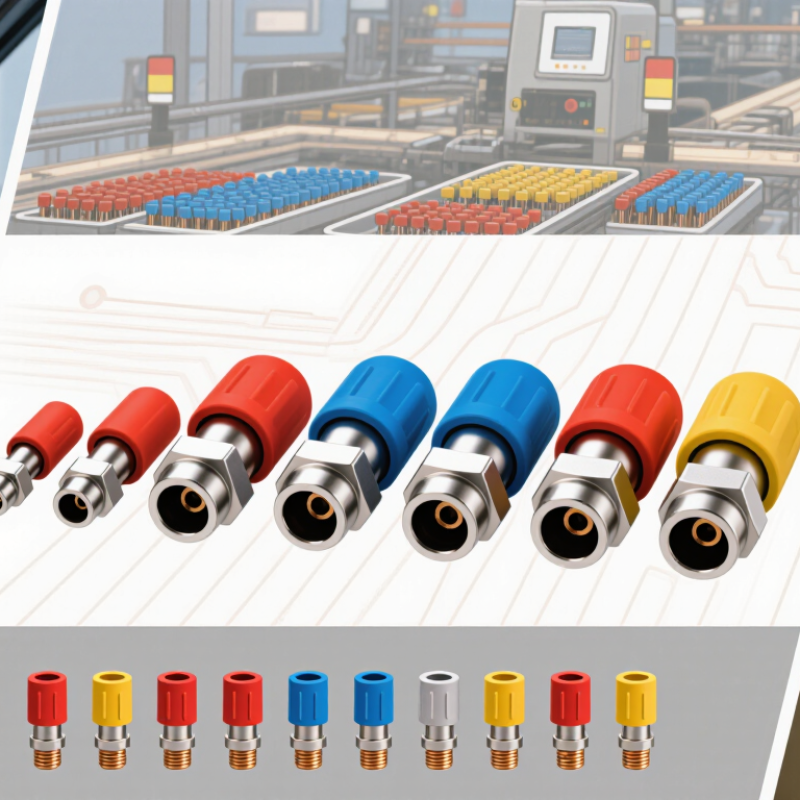
China Best Crimping Butt Connectors for Global Buyers?

What Crimped Butt Connectors Do: Joining Two Wires in One Splice

A crimped butt connector joins two wire ends inside one compact splice. Each wire enters from an opposite end of the connector, meeting within its metal barrel. A crimping tool compresses the barrel around the conductors. Done correctly, the connection holds both wires and carries current through the splice. No soldering is needed.

Picture a repair behind a vehicle’s dashboard: two stripped wire ends slide into a small insulated sleeve. The installer checks that copper strands are fully inside, then crimps each side with the matching tool and die. A gentle pull test can reveal a loose connection before the wiring is tucked away. Small detail. It matters.

Connector size must match the wire gauge and the conditions around the splice. Too large, and the crimp may not grip firmly; too small, and strands can be damaged or left outside the barrel. Insulation also matters where moisture, vibration, or heat may be present. A sealed connector can help protect the joint, but it cannot correct a poor crimp. Even experienced installers can rush this step. I have seen neat-looking sleeves hide an uneven bite, so inspection is worth the extra moment.

Connector Types and Materials: Nylon, PVC, Copper, and Tinned Copper

Nylon and PVC butt connectors can look similar on a workbench, but their insulation behaves differently. Nylon sleeves are generally tougher and resist abrasion well, making them useful in crowded panels where wires may rub against edges. PVC is often flexible and economical. Check its temperature rating before using it near warm equipment. A soft sleeve is not automatically a suitable sleeve.

The metal barrel matters just as much. Copper conducts efficiently and crimps cleanly when the connector matches the wire size and the correct die is used. Tinned copper adds a thin tin coating that helps limit surface corrosion, especially in humid settings. It is not a cure for poor sealing. I have seen neat-looking crimps loosen when the barrel was oversized or the tool was wrong.

Match the connector to the conductor material, wire gauge, and expected environment. Strip only enough insulation to seat the conductor fully; stray strands should not protrude from the barrel. Then make a firm pull check on a sample connection. Small details matter. For outdoor or damp installations, use connectors with suitable sealing and follow the specified crimping method. Ratings vary by product, and that is easy to overlook when several types share one parts bin.

Crimp Butt Connector Materials: Typical Thermal Conductivity

Copper and tinned copper are conductive metals commonly used for connector barrels; tin plating helps protect the copper surface. Nylon and PVC are insulating materials commonly used for connector sleeves. Values are approximate typical material properties and vary by alloy, formulation, and temperature; thermal conductivity alone does not determine connector performance.

How to Compare Wire Ranges, Temperature Ratings, and UL 486C Compliance

China Best Crimping Butt Connectors for Global Buyers?

Comparing crimping butt connectors takes more than checking the listed wire range. Confirm that the connector matches the conductor material, strand type, and gauge used in your application. A connector marked for 22–18 AWG, for example, should not be treated as suitable for every wire near that range. Check the manufacturer’s sizing chart and test a sample with your actual crimp tool. A loose crimp can pull free; an over-crimped barrel may damage strands.

Temperature ratings matter too. Compare the connector’s stated operating range with the temperature near the connection, not just the room temperature during installation. For UL 486C compliance, verify the applicable listing and documentation for the exact connector type. Do not assume that a similar-looking product has the same approval. Records should identify the product and relevant ratings. Details can be easy to overlook.

Tips: Strip only the specified insulation length. Use a calibrated tool, then inspect the crimp for centered compression and exposed strands. A gentle pull test can catch some poor connections, but it does not replace required testing. I still find that trial crimps reveal problems a datasheet cannot—especially when wire flexibility differs from the sample used during selection.

Crimp Quality Checks: Pull-Out Testing, Tooling, and IEC 61238-1 Methods

For crimping butt connectors, a neat-looking barrel is not proof of a sound joint. Check the conductor size, strip length, and connector position before crimping. Stray strands matter. They can reduce contact area or sit outside the barrel. Use the specified tool and die combination, and inspect the finished crimp for cracks, uneven compression, or exposed copper. Keep samples from each setup. Small changes in wire construction or tooling can alter results.

Pull-out testing gives a practical check of mechanical retention. Clamp the connector consistently, then apply a steady tensile load with suitable test equipment. Record the conductor size, crimp tool, die, sample count, and failure mode. A wire that slips early suggests a process problem; a conductor that breaks elsewhere may indicate stronger retention, but it does not prove electrical performance. Do not rely on one successful sample. Repeat tests, and compare results with the product specification and applicable acceptance criteria.

IEC 61238-1 describes test methods and requirements for certain power cable connectors, but its scope may not cover every small butt connector. Confirm that the relevant edition and product category apply before using it as a benchmark. Where applicable, its methods can help assess electrical and mechanical performance under controlled conditions. Workshop checks are useful, not a substitute for qualified testing. I have seen a crimp pass a quick pull check and still show inconsistent resistance, which is a good reason to question an easy pass.

China Best Crimping Butt Connectors for Global Buyers? — Crimp Quality Checks: Pull-Out Testing, Tooling, and IEC 61238-1 Methods

Use this checklist to evaluate insulated or uninsulated crimp butt connectors. Acceptance limits depend on connector design, conductor material and class, cross-section, and the applicable product specification; confirm them with the supplier before testing.

Quality dimension What to check Practical method Acceptance basis / buyer action
Product and conductor match Connector size range, conductor material and stranded class; insulation type and temperature rating where applicable. Verify product drawings and datasheets against the cable specification. Confirm whether the connector is intended for copper, aluminium, or a stated conductor combination. Require a documented compatibility range. Do not assume a connector suitable for one conductor material or strand class is suitable for another.
Crimp tooling and die selection Tool model, die profile and size, crimp count, crimp position, and tool condition. Follow the connector maker’s application instructions. Record the tool and die identifiers for each test sample; inspect the tool and dies for wear or damage. Use only the specified or formally approved tooling combination. A visually acceptable crimp made with unapproved tooling is not evidence of compliance.
Crimp setup and workmanship Strip length, insertion depth, conductor position, insulation clearance, and whether all strands enter the barrel. Inspect before and after crimping. Check for cut or folded strands, exposed conductor beyond the intended area, barrel cracks, sharp edges, and damaged insulation. Compare against the drawing and work instruction. Reject samples with visible conductor damage or incomplete insertion unless the product specification explicitly permits the condition.
Crimp dimensions and consistency Crimp height, width or other specified dimensions; variation among samples and across crimp locations. Measure with a suitable calibrated instrument at the locations defined by the product drawing or test plan. Record individual readings, not only an average. Apply the connector-specific tolerance. Do not use a universal crimp-height limit: acceptable dimensions depend on the connector, tooling, and conductor combination.
Pull-out / tensile test Mechanical retention of the crimped conductor and the failure mode. Grip the conductor and connector securely in a tensile test machine, align the specimen to avoid bending, and pull at the rate specified by the applicable product test method. Record peak force and failure location. Compare results with the connector specification or agreed test plan for the exact conductor size and type. IEC 61238-1 requirements are not a universal pull-out-force table for every small butt connector.
Electrical resistance and heating Joint resistance or voltage drop, temperature rise, and stability under the specified electrical test conditions. Use the measurement setup and conditioning specified by the relevant product standard or approved test plan. Keep conductor size, specimen preparation, and measurement points consistent. Assess against the applicable standard and product specification. A pull test alone cannot establish electrical performance.
IEC 61238-1 applicability Whether the connector falls within the scope and edition of the IEC 61238-1 part claimed by the supplier. Ask for the exact standard designation and edition, test report, connector type and size covered, conductor details, and laboratory identification. Check the stated scope against the intended application. IEC 61238-1 addresses test methods and requirements for power-cable compression and mechanical connectors within its defined scope. Do not treat a general reference to the standard as proof that every crimp butt connector is covered or certified.
Repeatability and sampling Sample identification, test quantity, production lot, operator, and consistency across specimens. Agree a sampling plan before testing. Label specimens and retain raw measurements, photographs, tool settings, and any deviations from the procedure. Set sample size and pass/fail rules in the purchase specification or inspection plan; avoid drawing conclusions from a single specimen.
Traceability and purchase review Lot or batch identification, material information, drawings, inspection records, and change control. Request a lot-linked inspection report and document revisions. Confirm that any changes to material, barrel geometry, plating, insulation, or tooling are notified and approved. Link incoming inspection results to the supplied lot and the approved specification. Require written confirmation of any design or process change.

Note: This table is a buyer’s evaluation checklist, not a substitute for the applicable standard, connector datasheet, or qualified test procedure. Confirm the current standard edition and test scope before making compliance claims.

Evaluating Chinese Suppliers: Traceability, RoHS Limits, and Export Documentation

For global buyers of crimping butt connectors, supplier evaluation should start with lot-level traceability, not a polished catalogue. Ask for a sample production record linking the finished connector to its copper terminal, insulation material, production date, and inspection results. A carton label should match the batch number on the certificate and packing list. Check whether the supplier can explain what happens when a batch fails inspection. Clear answers matter. Paperwork can look complete while the links between records remain weak.

RoHS documentation

RoHS claims need specific evidence. The European Commission’s RoHS Directive sets maximum concentrations of 0.1% for lead and several other restricted substances, and 0.01% for cadmium, by weight in homogeneous materials. Request test reports that identify the tested insulation and metal components, with dates and sample details. A generic compliance statement is not the same as a report.

Review the applicable HS code, commercial invoice, packing list, and certificate of origin with your customs broker; document requirements vary by destination. The World Customs Organization’s Harmonized System provides the international basis for classifying traded goods, but national tariff lines can add detail.

Practical check: One practical weakness: some buyers check certificates carefully and barely inspect carton markings. That gap can make a correct report difficult to connect to the goods received.