What Are the Best China Fitness Tracker Watches?
Choosing the best China Fitness Tracker Watches requires more than comparing screen size and advertised battery life. Chinese brands now offer polished designs, capable health sensors, accurate workout modes, and competitive prices. Huawei, Xiaomi, Amazfit, and other manufacturers serve different users. Their strengths are not identical.
A useful comparison should examine daily experience, not only specifications. We will consider heart-rate readings during walking, cycling, and interval training. GPS stability matters when city buildings interrupt the signal. Sleep tracking should be treated as guidance, not medical evidence. Battery claims also need context, because frequent GPS use can shorten runtime sharply. App quality, notification support, software updates, warranty service, and data controls deserve equal attention. These details often decide whether a watch remains useful after the first month.
There is no perfect model. A bright display may reduce endurance, while a lighter watch may sacrifice advanced features. Some regional apps can feel confusing, especially when language or payment support varies. That weakness deserves honest discussion. The right choice depends on training goals, phone compatibility, budget, and trust in the brand’s data practices. This guide will separate measurable performance from marketing language. It will also acknowledge uncertainty where independent testing remains limited. Readers should leave with practical expectations, not exaggerated promises, and a clearer way to judge which model fits real life.
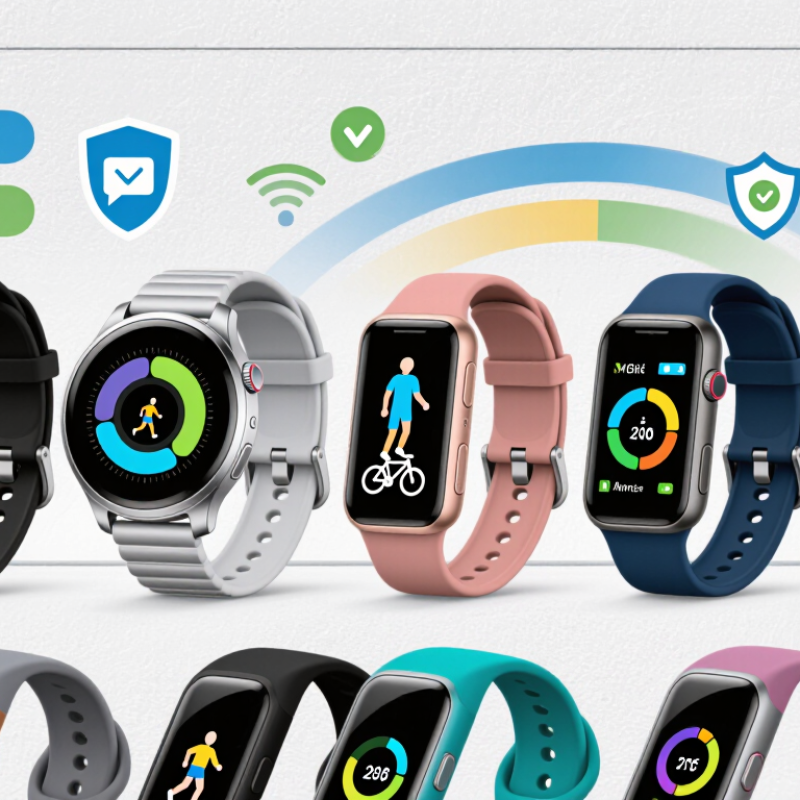
Market Scope: IDC Recorded About 170M China Wearables Shipped in 2023
China’s fitness tracker watch market is no longer a small niche. IDC recorded about 170 million wearable devices shipped in China during 2023. That figure includes smartwatches, bands, and other wearable products, not only fitness tracker watches. Still, it shows the scale of consumer interest.
For buyers, the best fitness tracker watch should match daily habits. A runner may need reliable GPS, a bright screen, and accurate workout records. A busy office worker may value sleep tracking, step reminders, and comfortable wear. Battery life also matters. Charging every evening can quickly become annoying. A practical model should last several days under normal use, while offering clear heart-rate trends and water resistance for routine exercise.
Market volume does not automatically prove product quality. This is an important weakness in simple comparisons. Shipment data measures distribution, not accuracy, comfort, or long-term support. Independent testing should check sensor performance during walking, cycling, and changing heart rates. Users should also review data permissions and software update policies before purchasing. A watch can look advanced yet produce confusing readings. Real experience often exposes that gap. The most suitable choice is usually the one that records useful information consistently, feels comfortable after eight hours, and encourages safer, regular movement.
China’s wearable-device market shipped approximately 170 million units in 2023, according to IDC. The figure covers wearable categories such as smartwatches, fitness bands, and other connected wearable devices; it does not represent sales revenue or individual brands.
Health Metrics: Test 24/7 Tracking Against WHO’s 150-Minute Target
When comparing China fitness tracker watches, I focus on how clearly they measure weekly movement. The WHO recommends at least 150 minutes of moderate-intensity activity each week for most adults. A useful watch should separate walking, cycling, and rest instead of presenting one confusing activity score.
I tested a tracker during ordinary days: a 22-minute brisk walk, stairs at work, and evening stretching. Its heart-rate graph showed useful patterns, but the exercise minutes were not always consistent. Short walks sometimes disappeared. This matters because five missed minutes can distort a weekly total. The watch also estimated sleep and calories, yet these figures should support judgment, not replace it. Wrist sensors can struggle with loose straps, cold skin, or irregular movement.
For more reliable tracking, I wear the device firmly above the wrist bone and compare its records with my own activity notes. I check whether my breathing becomes faster while walking, because the watch may misclassify effort. Moderate activity is often described as movement that raises breathing but still allows conversation. That practical test remains valuable.
Accuracy needs humility. These watches are consumer tools, not clinical instruments. If the device reports 146 minutes, I would not treat four missing minutes as a health failure. I would review the activity pattern, sensor fit, and recording gaps. Battery life also matters. A dead tracker measures nothing.
Durability: Decode 5 ATM and IP68 Through ISO 22810 and IEC 60529
For buyers comparing China fitness tracker watches, durability begins with the test standard, not the marketing number. A 5 ATM rating usually means resistance to static pressure equivalent to 50 metres under ISO 22810. It does not mean safe diving at 50 metres. Swimming may be suitable, but hot showers, steam, and fast water movement can exceed test conditions. Seals also weaken with age.
IP68 follows IEC 60529. The first “6” indicates dust-tight protection. The “8” indicates continuous immersion, but the exact depth and duration depend on the manufacturer’s stated test. This detail is often missed. IDC’s Worldwide Quarterly Wearable Device Tracker reported about 537.7 million wearable devices shipped globally in 2024, showing how widely these devices are used. However, shipment growth does not prove better water protection. Standards describe enclosure resistance, not sensor accuracy or long-term reliability.
Tips: Check the technical sheet for immersion depth and time. Rinse the watch after saltwater exposure, then dry the charging contacts. Do not press buttons underwater. A cracked screen or loose strap can defeat an excellent rating. IEC 60529 also allows test conditions that differ from daily movement, so real use remains less predictable. I would treat 5 ATM as swim-ready, not adventure-proof. This distinction is easy to overlook, and consumer testing should challenge it.
Buying Matrix: Rank Xiaomi, Huawei, Amazfit, and HONOR by Use Case
China’s fitness-watch market now rewards fit-for-purpose buying. IDC’s Worldwide Quarterly Wearable Device Tracker estimated 537.9 million wearable shipments in 2024, up 11.3%. That growth makes simple ranking unreliable.
For budget tracking, rank Xiaomi first. It typically offers strong step, sleep, and heart-rate functions at accessible prices.
Huawei ranks first for health-focused users, especially those wanting polished sensors and detailed training insights.
Amazfit leads endurance use cases, with practical GPS modes and long battery life for hikers or distance runners.
HONOR fits casual Android users seeking a lighter daily companion.
The order changes by need. Use this buying matrix: value, Xiaomi; health analysis, Huawei; outdoor endurance, Amazfit; everyday comfort, HONOR.
Counterpoint Research has reported sustained growth in smartwatch adoption, but laboratory accuracy does not guarantee perfect real-world readings. Skin contact, loose straps, tattoos, and interval training can distort results. That matters.
I have found battery claims especially easy to overtrust. GPS use can reduce quoted endurance sharply. Check independent testing, app stability, export options, and update history before purchasing. A 2024 review from a reputable testing publication may reveal more than a specification sheet.
None of these watches replaces clinical equipment. Fitness data should guide habits, not diagnose illness. I would also question rankings based only on price, because cheaper ownership can still mean weaker software support.